Hospice vs. Palliative Care: Understanding The Difference

Quick Facts
- Hospice vs. palliative care: Both focus on comfort, symptom relief, and quality of life for people with serious illness and their families.
- Palliative care can begin at any stage of illness and can run alongside curative treatment.
- Hospice is palliative care for people with a likely life expectancy of about six months or less, when the goal shifts mainly to comfort.
- Where care happens: home, hospital, clinic, or inpatient unit, depending on needs.
- Who’s on the team: doctors, nurses, social workers, chaplains, aides, and other specialists, coordinated around your goals.
- Costs & coverage: Hospice is typically covered by Medicare, Medicaid, and most private plans. Palliative coverage varies by setting and plan; our team can help you understand options.
Note: While JSSA only offers hospice care (not palliative care), we think it’s important to discuss the differences between both services when deciding which type of care is right for you or your loved one’s needs.
What Is Hospice Care?
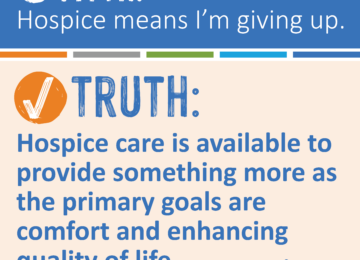
Hospice is a type of care for people who are likely in the last six months of life, if the illness follows its usual course. The focus shifts to comfort, dignity, and time with the people you love. The goal is to control symptoms, reduce stress, and support the whole family.
Care often takes place at home, but hospice services can also be provided in assisted living, nursing facilities, hospitals, or dedicated inpatient hospice units when symptoms are hard to manage. An interdisciplinary team surrounds you with support. This typically includes a physician, nurse, hospice aide, social worker, chaplain, and trained volunteers. Services may include medication management, medical equipment and supplies, pain and symptom control, caregiver education, and respite options.
Hospice can continue beyond six months if eligibility still applies. You can leave hospice if your condition improves or if you decide to pursue curative treatments again, and you can return later if needed. Most costs related to the terminal illness are covered by Medicare, Medicaid, and many private plans, including medications, equipment, and supplies connected to comfort and symptom relief.
What Is Palliative Care?
Palliative care is specialized medical care for people living with a serious illness. The aim is to ease symptoms, reduce stress, and help you live as well as possible while you receive the treatments you and your clinicians choose.
You can start palliative care at any time in your illness journey, whether you were diagnosed last week or have been managing a condition for years. It can be provided together with curative or life-prolonging treatments, so you do not have to choose between comfort and active care.
With palliative care, a team works alongside your existing doctors to focus on what matters most to you. Common needs include pain, shortness of breath, nausea, sleep problems, and anxiety. Support also extends to caregivers, helping families understand options, plan ahead, and find community resources.
Care is delivered in multiple settings, including your home, clinic visits, hospitals, or specialized inpatient units. The intensity of support can scale up or down as your needs change.
If you are coping with difficult symptoms, facing complex decisions, or want additional support for yourself or a loved one, palliative care can help clarify goals, coordinate care, and improve day-to-day quality of life.
Side-By-Side Comparison: Hospice vs. Palliative Care
| Category | Palliative Care | Hospice Care |
| Primary Goal | Improve quality of life by easing symptoms and stress at any stage of serious illness | Provide comfort and support near the end of life when the focus is on quality of time |
| Timing | Any time after diagnosis, from early to advanced stages | When a person is likely in the last six months of life, if the disease follows its usual course |
| Can Receive Curative Treatment | Yes. Often provided alongside active or disease-directed treatments | Usually no. Focus is comfort, though treatments that control symptoms continue |
| Eligibility | Based on the need for symptom and stress management | Two clinicians certify a terminal illness with a six-month prognosis guideline |
| Where Care Happens | Home, hospital, clinic, skilled facility, or inpatient palliative unit | Primarily at home, also in assisted living, nursing facilities, hospitals, or inpatient hospice units |
| Care Team | Specialist-led team that works with your current doctors. May include a physician, nurse, social worker, chaplain, pharmacist, and others | An interdisciplinary hospice team with a physician, nurse, aide, social worker, chaplain, volunteers, and bereavement support |
| Family & Caregiver Support | Education, care coordination, decision support, and community resources | Intensive caregiver training, respite options, 24/7 on-call support, and grief counseling for loved ones |
| Services Commonly Included | Symptom control, advanced care planning, emotional and spiritual support, and coordination with specialists | All of the palliative services plus medications, equipment, and supplies related to the terminal illness, and bereavement services |
| Coverage & Costs | Coverage varies by plan and setting. Out-of-pocket costs depend on benefits | Medicare Hospice Benefit, Medicaid, and many private plans cover most hospice services and supplies related to the terminal illness |
| How Long It Lasts | As long as needed based on goals and symptom burden | Renewable in benefit periods if eligibility continues. You may revoke hospice and re-enroll later |
Eligibility & Referrals
Palliative Care Eligibility
- Who qualifies: Anyone living with a serious illness who has burdensome symptoms, stress, or complex care decisions.
- How to start: Ask your primary clinician or specialist for a referral, as JSSA does not offer palliative care.
- How long it lasts: As long as symptoms, stress, or coordination needs persist. Intensity can increase or decrease over time.
Hospice Care Eligibility
- Who qualifies: A physician and the hospice medical director certify that a person is likely in the last six months of life if the illness follows its usual course.
- How to start: A referral can be made by your clinician, the hospital, or directly by a patient or their family member after a conversation about goals of care. Our team completes an assessment to confirm eligibility and build a plan.
- How long it lasts: Hospice is provided in benefit periods and can continue beyond six months if eligibility remains. You may revoke hospice if you choose different goals, and you can re-enroll later if needed.
Where Care Can Happen & Who’s On The Team
Settings of Care
- Home: Most hospice takes place at home, with regular nurse visits, on-call support, and delivery of needed equipment. Home-based palliative visits may also be available through another provider.
- JSSA only offers hospice care in-home to all patients.
- JSSA only offers hospice care in-home to all patients.
- Long-term care & assisted living: Hospice services can be provided where you live. Palliative consults may also be arranged in these settings.
Care Team & Roles
- Physician or Nurse Practitioner: Leads medical management, aligns treatment with your goals, and certifies hospice eligibility when appropriate.
- Registered Nurse: Monitors symptoms, adjusts care plans, teaches families, and coordinates services.
- Hospice Aide/Home Health Aide: Assists with personal care such as bathing, grooming, and comfort measures.
- Social Worker: Provides counseling, helps with resources, benefits, and practical planning.
- Chaplain/Spiritual Care: Supports spiritual needs and rituals for all faiths or none.
- Bereavement Counselor (Hospice): Offers grief support for families before and after a death.
- Therapists & Pharmacist (as needed): Physical, occupational, speech therapy, and pharmacy consults for symptom control and safety.
- Volunteers (Hospice): Offer companionship, caregiver breaks, and practical help.
How JSSA Coordinates Hospice Care
- We collaborate with your existing specialists and primary care, align everyone on your goals, and adjust the plan as needs change.
- You and your family always have a clear point of contact for questions, urgent concerns, and next steps.
When To Consider Each Path
When to Consider Palliative Care
While JSSA does not offer palliative care, you may consider starting care
- Soon after diagnosis: You want help managing symptoms, stress, or complex treatment choices.
- During active treatment: You need extra support alongside chemo, heart failure care, dialysis, or other therapies.
- Any time symptoms disrupt life: Pain, shortness of breath, nausea, fatigue, sleep issues, or anxiety are getting in the way.
- Care coordination needs: Multiple specialists, frequent hospital visits, or hard decisions about next steps.
When to Consider Hospice Care
- Goals shift toward comfort: You prefer quality of time, relief of symptoms, and support for family.
- Frequent crises: Repeated hospitalizations or difficult-to-control symptoms despite the best treatments.
- Six-month prognosis guideline: Your clinician believes you may be in the last months of life if the illness follows its usual course.
- Caregiver support is essential: You or your family would benefit from 24/7 on-call help, equipment, supplies, and respite options.
Final Thoughts
Choosing between hospice and palliative care starts with your goals, symptoms, and what a good day looks like for you.
Palliative care can support you at any stage of illness while you continue treatments, easing symptoms and helping you make informed decisions. Hospice is the right fit when comfort, time with loved ones, and support at home become the priorities in the last months of life.
Both options center on quality of life and compassionate support for you and your family.